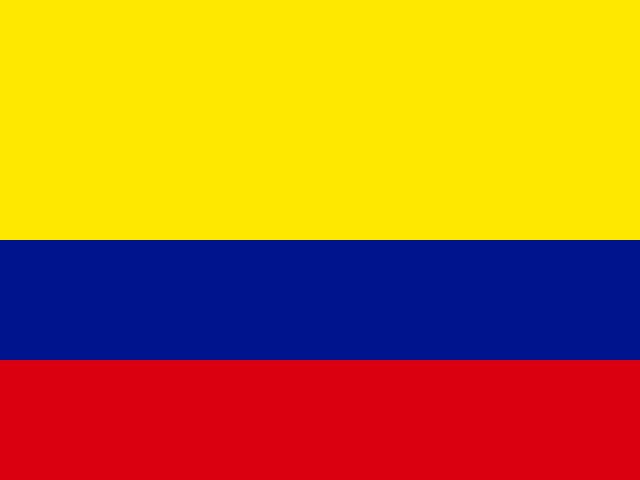
Colombia's code, the world's shorthand
.co belongs to Colombia. In 2010 it was relaunched for the global market, pitched as a short, memorable alternative to .com — "co" for company, community or commerce. It worked: Twitter used t.co for its link shortener, and plenty of startups launched on .co before moving up to a .com later.
The domain is still Colombia's, governed under the country's oversight, with a commercial operator running the registry and selling through registrars worldwide.
The .com shadow
.co's biggest strength is also its weakness: it looks almost exactly like .com. That makes it memorable, but it also means people mistype it, phones autocorrect it, and some email will end up at the .com. If someone else owns the matching .com, that's a real business risk — check who has it before you commit.
Good for
- Startups and small businesses wanting a short brand
- Companies that read ".co" as "company"
- Colombian businesses, obviously
Watch out for
- Visitors and email senders often autocorrect to .com
- If someone else owns your name on .com, you'll leak traffic and email to them
.co by the numbers
.co is the country-code top-level domain (ccTLD) for Colombia, a country in South America.
Outside Colombia, plenty of people know .co for a different reason: it reads as company, or a short alternative to .com. That second meaning doesn't change who's in charge, though. The domain still belongs to Colombia, and its registry sets the rules.
A little context on Colombia: the capital is Bogotá, the main language is Spanish, the currency is the Colombian peso (COP) and the international dialing code is +57.
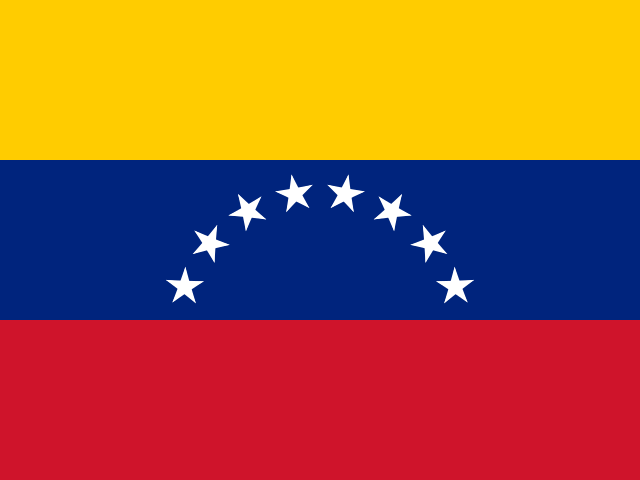
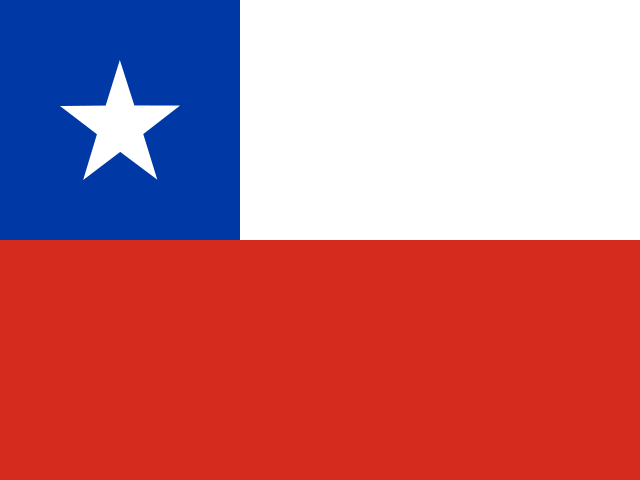
Next door on the map, you'll find .br for Brazil, .ec for Ecuador, .pa for Panama, .pe for Peru and .ve for Venezuela.
IANA lists Ministry of Information and Communications Technologies (MinTIC) as the manager of .co, with an address in Colombia. The registry's website is http://www.registry.co. ccTLD managers set their own policies — who can register, which second-level names exist, pricing to registrars — so those rules differ from country to country.
Under the hood, the root zone points to 4 name servers for .co, every one of them reachable over IPv6. The delegation is DNSSEC-signed, so resolvers can verify that answers for .co haven't been tampered with on the way. Registration data is published over WHOIS (the WHOIS server is whois.registry.co).
.co vs other endings
.co FAQ
What country is .co?
Colombia. "CO" is Colombia's ISO 3166-1 code.
Can anyone register a .co domain?
Yes. .co has been open to registrants worldwide since its global relaunch in 2010.
What does .co mean?
Officially, .co is simply the ISO 3166-1 code for Colombia. Online, it's also used for company, or a short alternative to .com — a "domain hack" that uses the letters for what they spell.
What does .co mean in an email address?
Only that the sender's domain is registered under .co. Because .co is also used for company, or a short alternative to .com, it doesn't necessarily mean the person is in Colombia.
Who owns the .co domain?
IANA lists Ministry of Information and Communications Technologies (MinTIC) as the manager of .co: it runs the registry and sets the rules for Colombia's ccTLD. Individual .co names belong to whoever registers them.
Is .co DNSSEC-signed?
Yes. The root zone has a DS record for .co, so DNSSEC validation works all the way down from the root.
How do I look up who owns a .co domain?
Query the registry's registration data service: the WHOIS server is whois.registry.co. Many registrants use privacy services, so personal details may be hidden.
Sources
Data from IANA root zone version 2026102000. Last changed October 21, 2026. Spotted something wrong? Tell us.