.uk vs .com
Which domain extension should you choose? Here's how the two compare — and when each one is the better pick.
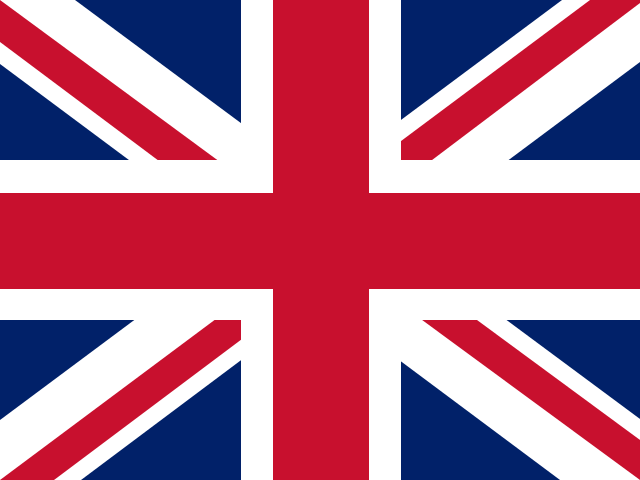

Side by side
| .uk | .com | |
|---|---|---|
| What it is | United Kingdom's ccTLD | Legacy generic TLD, since 1985 |
| Runs the registry | Nominet UK | VeriSign, Inc. |
| In the root zone since | Early ccTLD (date not recorded) | January 1, 1985 |
| Popular meaning | — | the default for businesses |
| Search geotargeting | Signals United Kingdom to search engines | Generic — not tied to a country |
| DNSSEC-signed | Yes | Yes |
| Name servers (IPv6) | 8 (8) | 13 (13) |
Choose .uk if…
- Businesses and organizations targeting UK customers
- Brands that want to signal they're British
Watch out for
- Many UK consumers still expect .co.uk
- .uk names are run under UK law and Nominet's policies
The obvious choice for UK-focused businesses. Check both the direct .uk and the .co.uk — the holder of one has historically had first claim on the other.
Choose .com if…
- Any business that wants the "default" address customers will guess
- Brands that expect word-of-mouth and radio or podcast mentions
- Email addresses people won't misspell
Watch out for
- Short, dictionary-word .com names are almost all taken or sold as premiums
- Typosquatters target popular .com names — register common misspellings if you're big
- Don't pay a broker before checking whether a newer TLD tells your story better
If the exact name you want is available on .com at a sane price, take it. Everything else is a trade-off against the ending people assume.
.uk vs .com FAQ
Is .uk better than .com?
Neither is better across the board. The obvious choice for UK-focused businesses. Check both the direct .uk and the .co.uk — the holder of one has historically had first claim on the other. If the exact name you want is available on .com at a sane price, take it. Everything else is a trade-off against the ending people assume.
Does .uk or .com rank better on Google?
Google doesn't give either ending a ranking bonus. What differs is geotargeting: .uk is signals united kingdom to search engines, and .com is generic — not tied to a country. Content and links matter far more than the TLD.
Can I use both .uk and .com?
Yes, and many brands do: register both, pick one as the main site, and redirect the other to it so links and email never go astray.