America's own two letters
.us is the country-code top-level domain of the United States. It's older than most people assume — it was delegated in 1985 — but for a long time it was used mostly for state and local government names like ci.cityname.ca.us. Since 2002, second-level names like example.us have been open to anyone who meets the U.S. nexus requirement.
Policy for .us is set by the U.S. Department of Commerce's NTIA, which contracts a registry operator to run it.
The nexus rule — and no privacy
To register a .us name you need a real connection to the United States: citizenship, residency, a U.S. organization, or a genuine U.S. presence for foreign companies. And unlike most TLDs, .us doesn't allow WHOIS privacy services. If you want your contact details hidden, .us isn't the right choice.
Good for
- U.S. businesses and nonprofits that want a clearly American address
- Local and civic projects
- Names that read as words ending in "-us" (campus, plus, nexus)
Watch out for
- You must meet the U.S. nexus requirement
- Privacy/proxy services are not permitted, so your contact details are public
- Many Americans still default to .com
.us by the numbers
.us is the country-code top-level domain (ccTLD) for United States, a country in North America.
Outside United States, plenty of people know .us for a different reason: it reads as words ending in -us, like "plus" or "campus". That second meaning doesn't change who's in charge, though. The domain still belongs to United States, and its registry sets the rules.
A little context on United States: the capital is Washington D.C., the main language is English, the currency is the United States dollar (USD) and the international dialing code is +1.
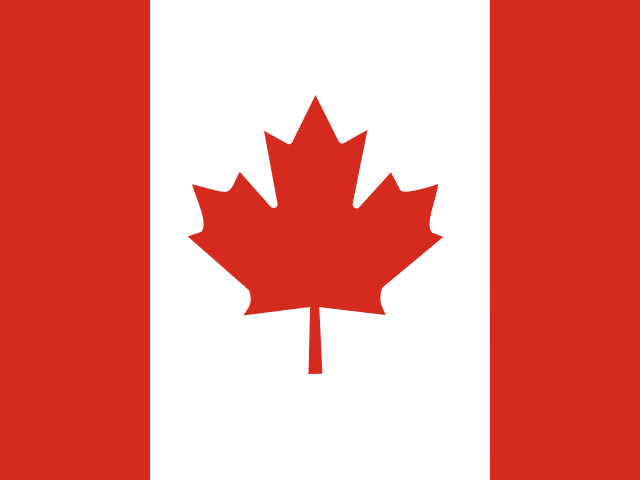
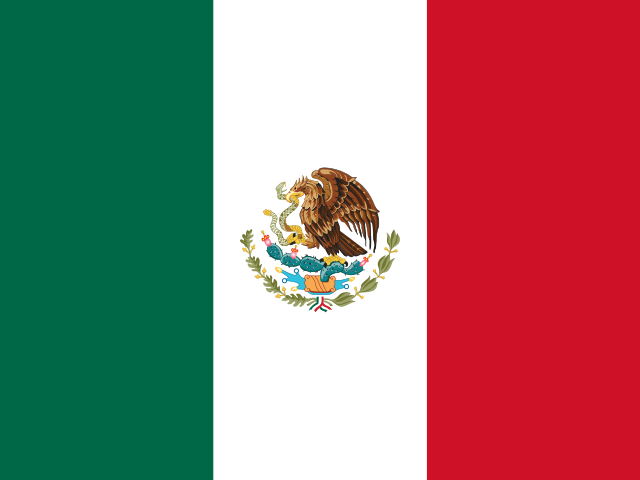
Next door on the map, you'll find .ca for Canada and .mx for Mexico.
IANA lists Registry Services, LLC as the manager of .us, with an address in United States of America. The registry's website is http://www.nic.us. ccTLD managers set their own policies — who can register, which second-level names exist, pricing to registrars — so those rules differ from country to country.
Under the hood, the root zone points to 8 name servers for .us, every one of them reachable over IPv6. The delegation is DNSSEC-signed, so resolvers can verify that answers for .us haven't been tampered with on the way. Registration data is published over WHOIS (the WHOIS server is whois.nic.us).
Same registry, other endings
35 other TLDs share this operator.
.us vs other endings
.us FAQ
Who can register a .us domain?
U.S. citizens and residents, organizations incorporated or based in the United States, and foreign entities with a bona fide presence in the U.S. Registrants must declare which nexus category they meet.
Can I hide my information on a .us domain?
No. .us policy prohibits privacy and proxy registration services, so registrant contact data is published.
What country is .us?
.us is the country-code top-level domain for United States, in North America. Online it's also used for words ending in -us, like "plus" or "campus".
What does .us mean?
Officially, .us is simply the ISO 3166-1 code for United States. Online, it's also used for words ending in -us, like "plus" or "campus" — a "domain hack" that uses the letters for what they spell.
What does .us mean in an email address?
Only that the sender's domain is registered under .us. Because .us is also used for words ending in -us, like "plus" or "campus", it doesn't necessarily mean the person is in United States.
Who owns the .us domain?
IANA lists Registry Services, LLC as the manager of .us: it runs the registry and sets the rules for United States's ccTLD. Individual .us names belong to whoever registers them.
Is .us DNSSEC-signed?
Yes. The root zone has a DS record for .us, so DNSSEC validation works all the way down from the root.
How do I look up who owns a .us domain?
Query the registry's registration data service: the WHOIS server is whois.nic.us. Many registrants use privacy services, so personal details may be hidden.
Sources
Data from IANA root zone version 2026102000. Last changed October 21, 2026. Spotted something wrong? Tell us.